




Restoring an urban lake without draining it

At Kalachandpur, a 200 KLD Johkasou plant treats sewage before it reaches the water. A submerged BioBox, floating wetland garden and OxTube work on the water already in the lake, supported by 6 kW floating solar.

Johkasou treatment capacity
0 KLD
Integrated technologies
0
Floating solar installed
0 kW
Restored Without Draining
0 %

A lake under increasing pressure

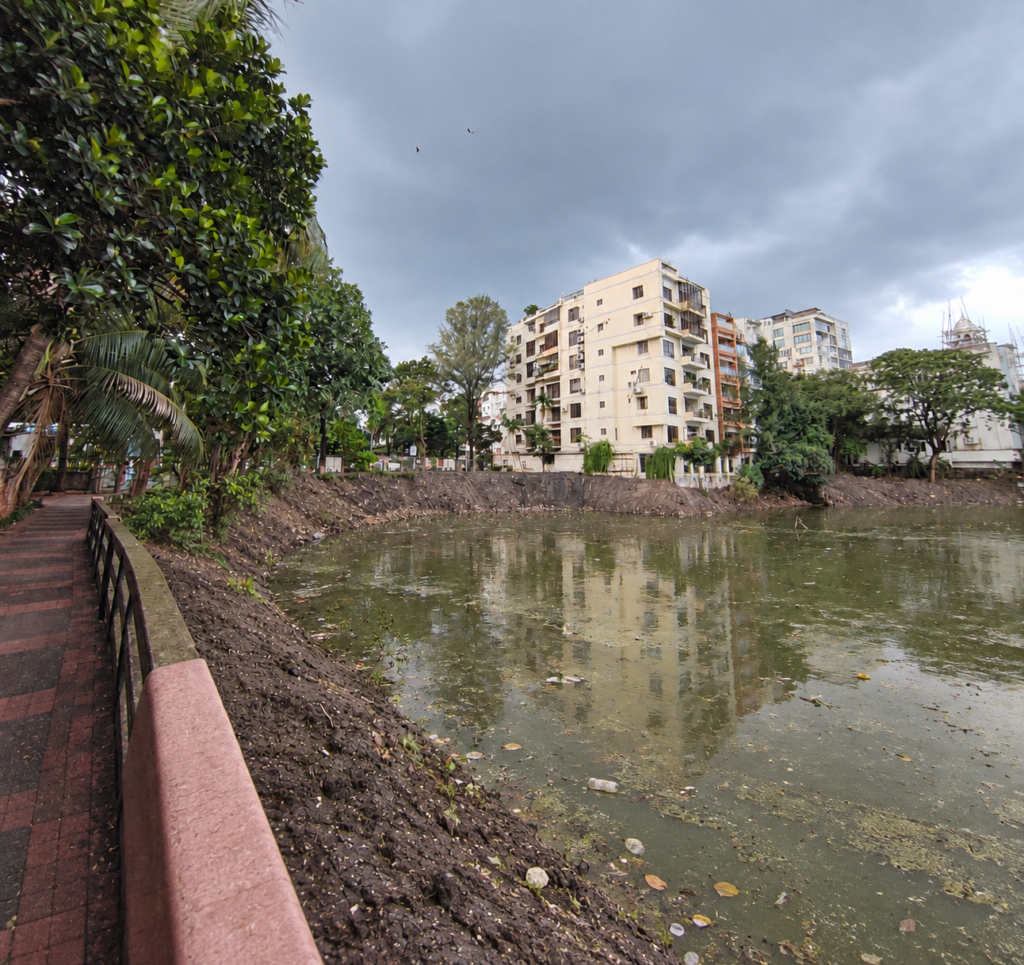
Dhaka’s urban lakes were never designed to receive sewage. As the catchments around them filled in, domestic wastewater from surrounding buildings began reaching the open water untreated, day after day.

Oxygen falls as bacteria consume the incoming organic load. The water turns septic, odour develops, visibility drops and floating waste spreads across the surface.

The Government has taken up the restoration of this lake. Daiki Axis’s role is the design, supply, installation and operation of a working system that treats incoming sewage and improves the water already in the lake.

Untreated sewage keeps arriving

Domestic wastewater from the surrounding catchment reaches the waterbody without any treatment step.

Water quality falls year on year

Low dissolved oxygen, persistent odour and dark, turbid water are visible through most of the year.

Floating waste spreads across the surface

Waste drifts over open water, which makes collection difficult and removes the amenity value of the lake.

Two problems in one waterbody

Problem 1 : What flows in

Raw, untreated sewage entering the lake every single day.

Our Answer for problem 1

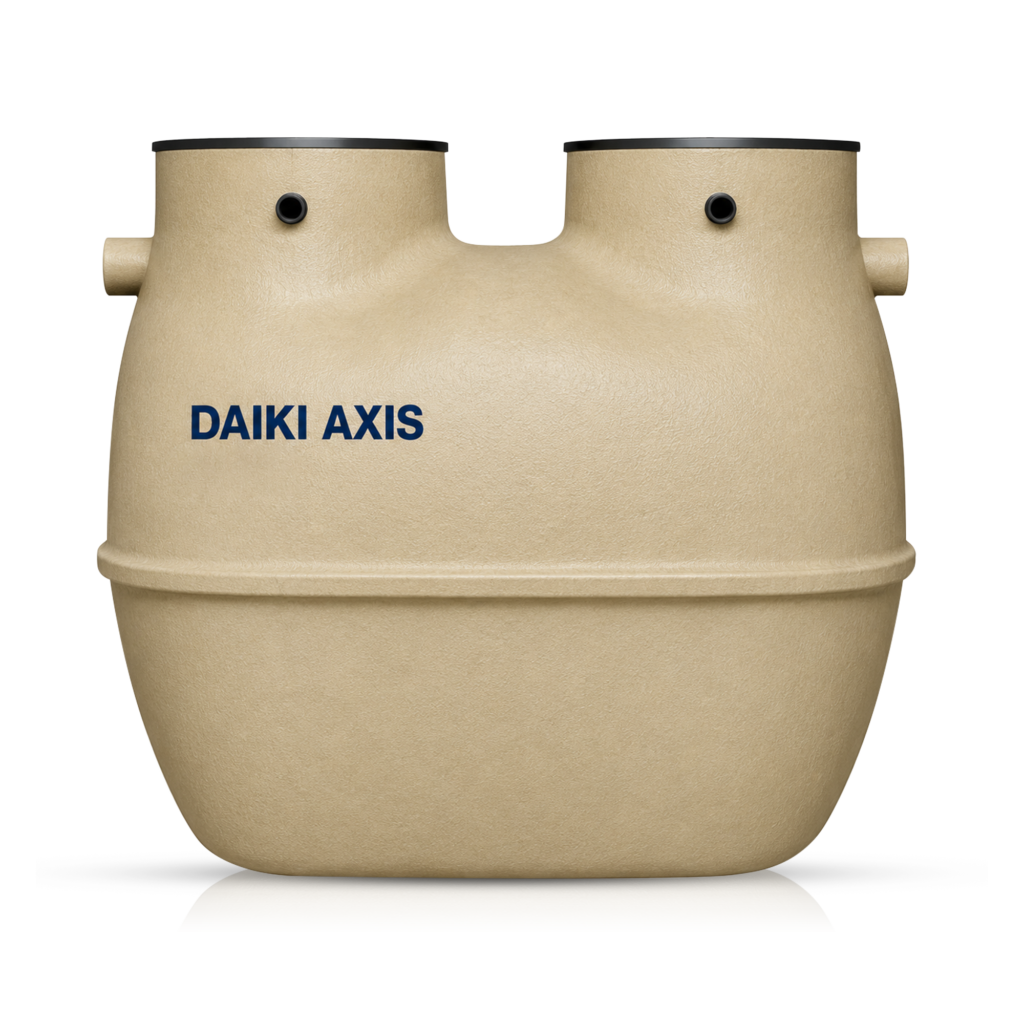
Johkasou STP · 200 KLD Treat the sewage before it reaches the water.

Problem 2 : What is already in the lake

Problem 2 : What is already in the lake

Our Answer for problem 2

BioBox + Wetland Garden + OxTube Treat the lake water in place, without draining it.

☀ A 6 kW floating solar system powers all three systems with clean, renewable energy.

The system at a glance

Johkasou Technology

BioBox With Wetland Garden

OxTube

Floating Solar

Johkasou treats sewage
at its source

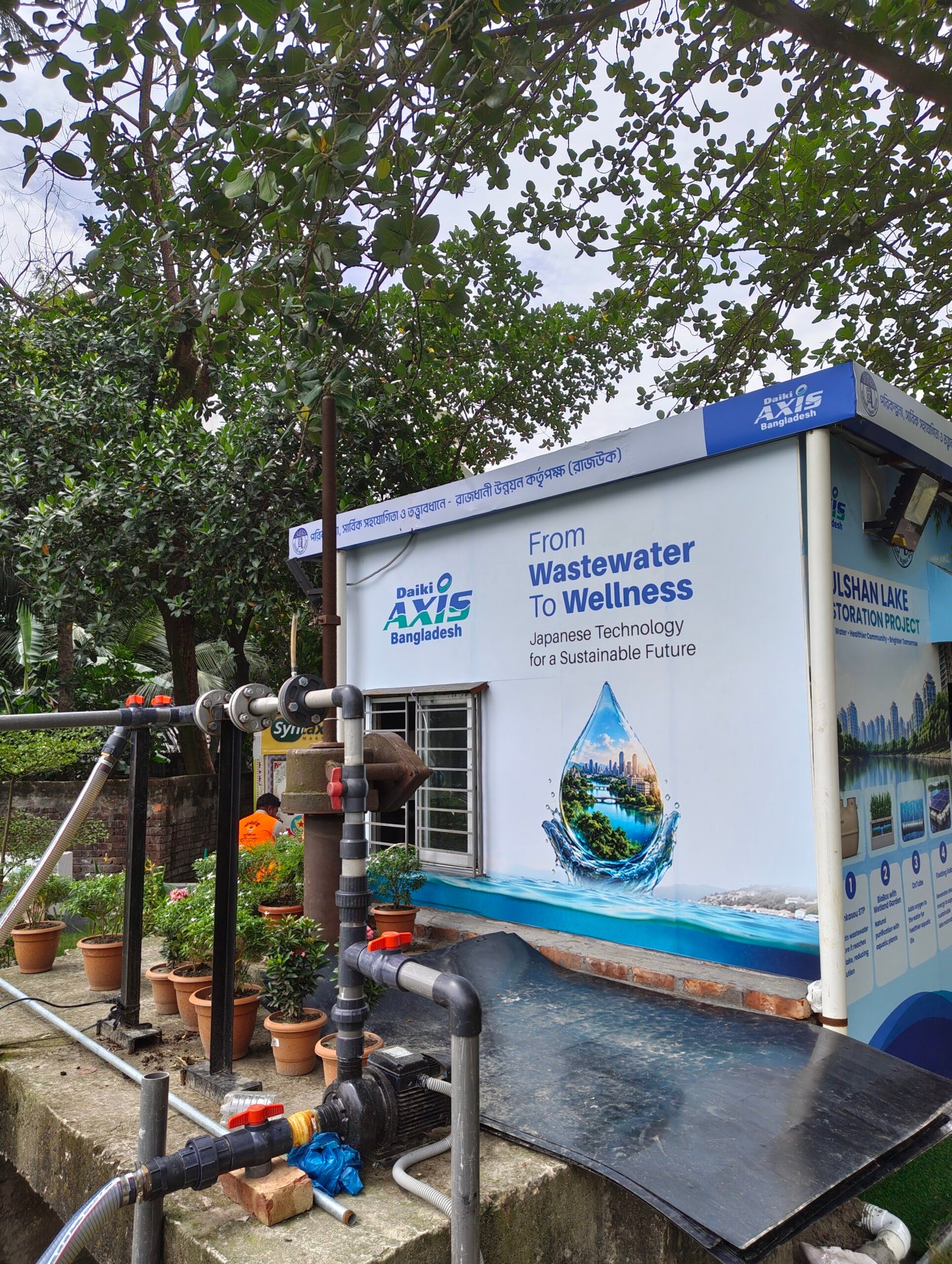
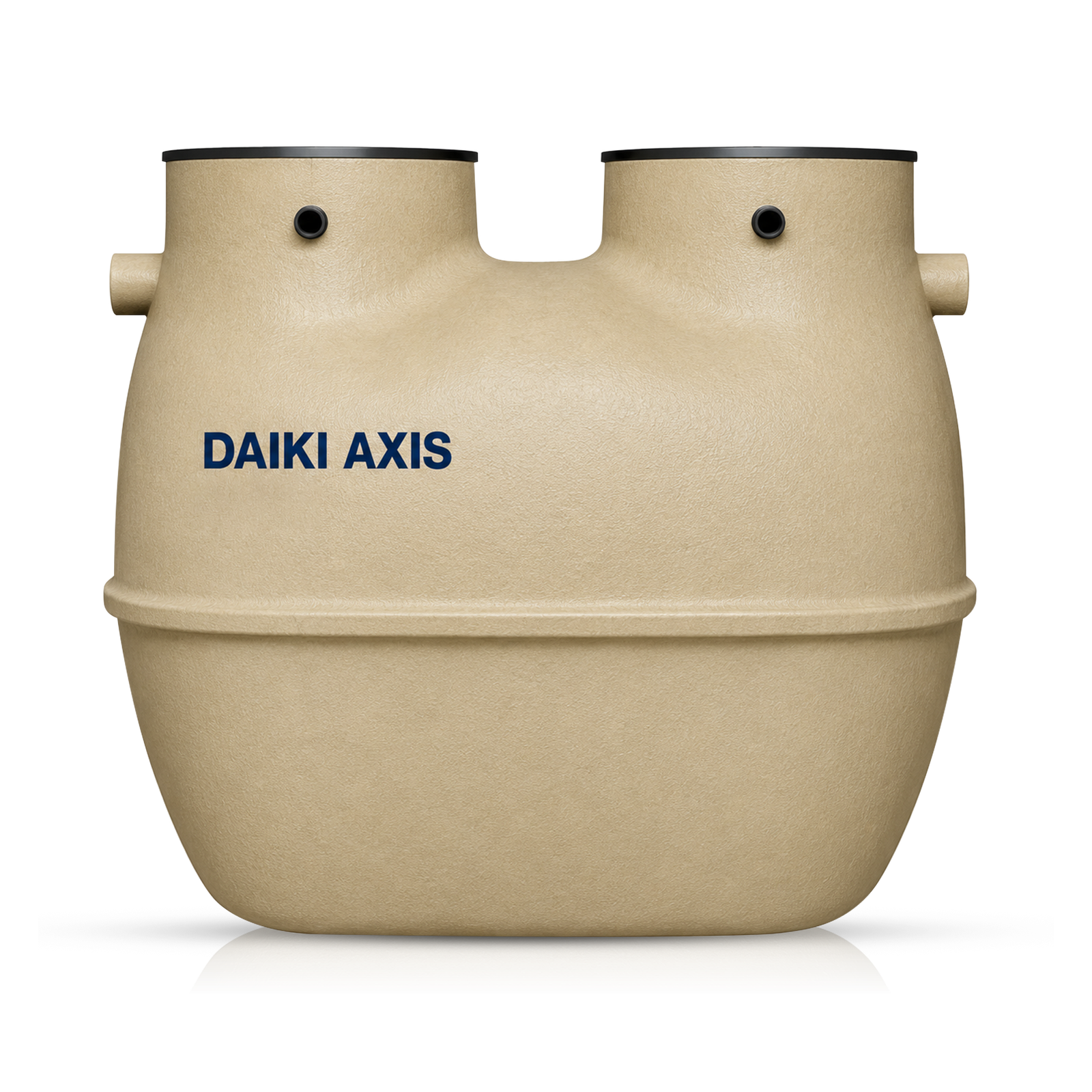
Johkasou treats wastewater where it is produced instead of relying on a trunk sewer to reach a central plant. At Kalachandpur, the unit collects raw sewage from the surrounding catchment and treats it on site.

Collection - Raw sewage enters from the surrounding catchment.

Treatment - The Johkasou unit treats up to 200 KLD on site.

Discharge - Treated water returns to the lake through a fountain.

Aeration - The fountain increases air contact as the water falls.

Collection support - Wave action pushes floating waste toward one collection point.

The fountain is functional. Its wave action helps move floating waste to one side for collection.

A garden above
a BioBox below

A planted wetland garden floats directly above a submerged treatment unit. The roots hang roughly one foot into the water and provide a living surface where microorganisms settle and break down pollutants.


The BioBox below runs aeration and holds moving bed bioreactor media. Bacteria colonise the media and consume the organic load in the water that passes through.

Floating garden

Visible planted layer on the surface

~1 ft root zone

Living surface for microorganisms

Floating garden

Aeration and biological media below

Putting oxygen back into the water

OxTube draws lake water upward, mixes natural air into the flow and returns oxygen-rich water to the lake. No chemicals are added.

Lifts lake water - Water passes upward through the tube.

Injects natural air - Air dissolves into the returning flow.

Reduces odor - Higher oxygen suppresses septic conditions.

Supports self-purification - TAn oxygenated lake can break down more of its organic load.

Powered from the surface
it cleans


6KW

The floating solar array supports the Johkasou fountain discharge, BioBox aeration and OxTube operation. It uses the lake surface, so the pilot needs no separate land for solar generation.

Reduces electricity drawn from the grid

Generates power at the point of use

Avoids extra land acquisition

Two tracks, one waterbody

Source Treatment : Track 1

Raw sewage

 Johkasou 200 KLD

Treated water

Fountain discharge

Oxygen lifts waste waves move it aside

Raw sewage

 Johkasou 200 KLD

Treated water

Oxygen lifts waste waves move it aside

Fountain discharge

In-lake treatment : Track 2

Existing lake water

OxTube raises dissolved oxygen

BioBox and wetland garden break pollutants down biologically

Cleaner, oxygenated lake water

Existing lake water

OxTube raises dissolved oxygen

BioBox and wetland garden break pollutants down biologically

Cleaner, oxygenated lake water
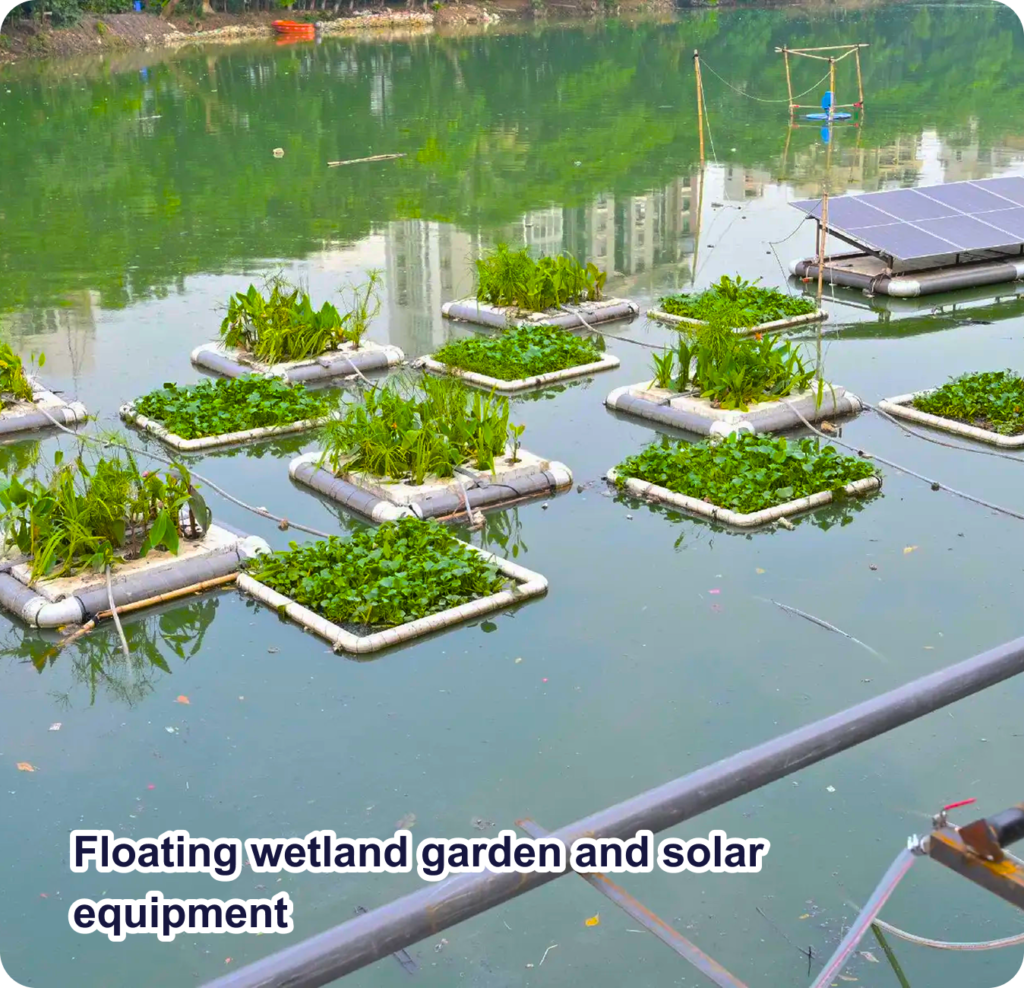
Beneath both tracks 6 kW floating solar supplies energy to both tracks.

The system at a glance

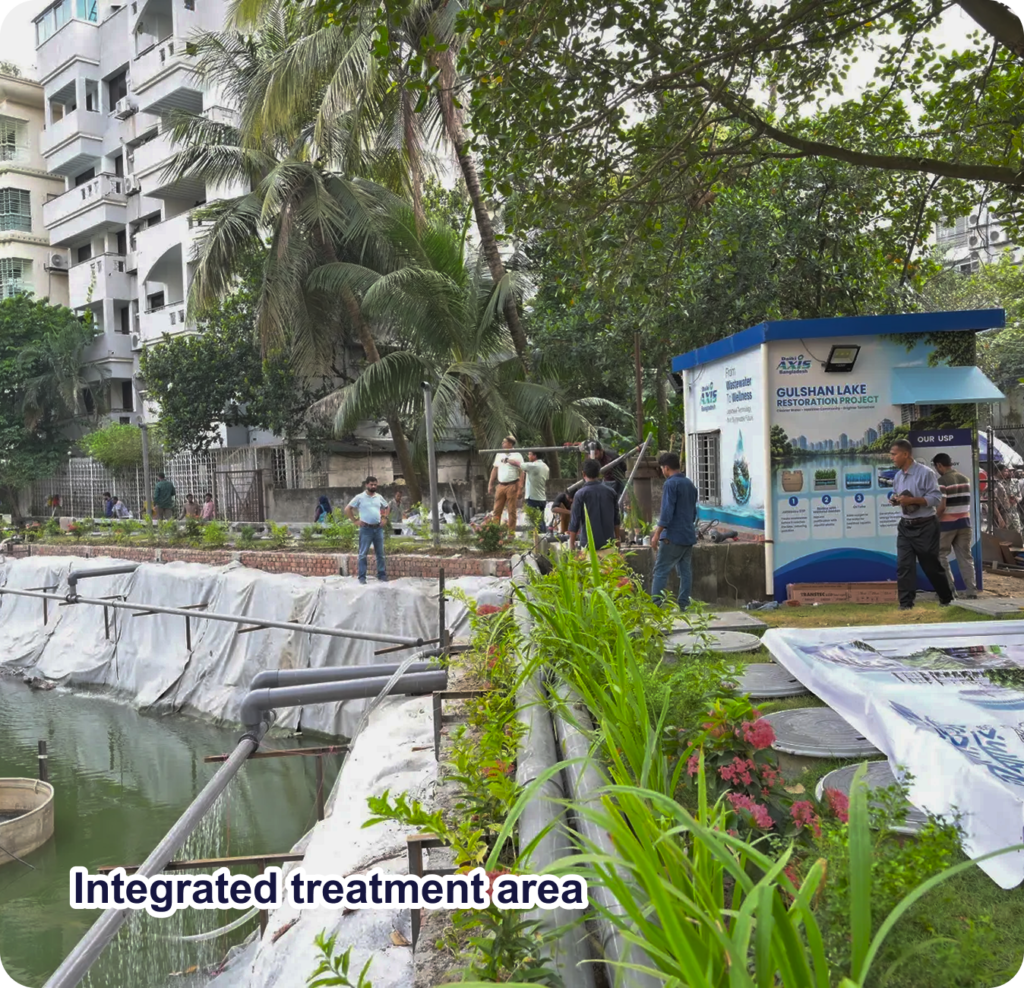
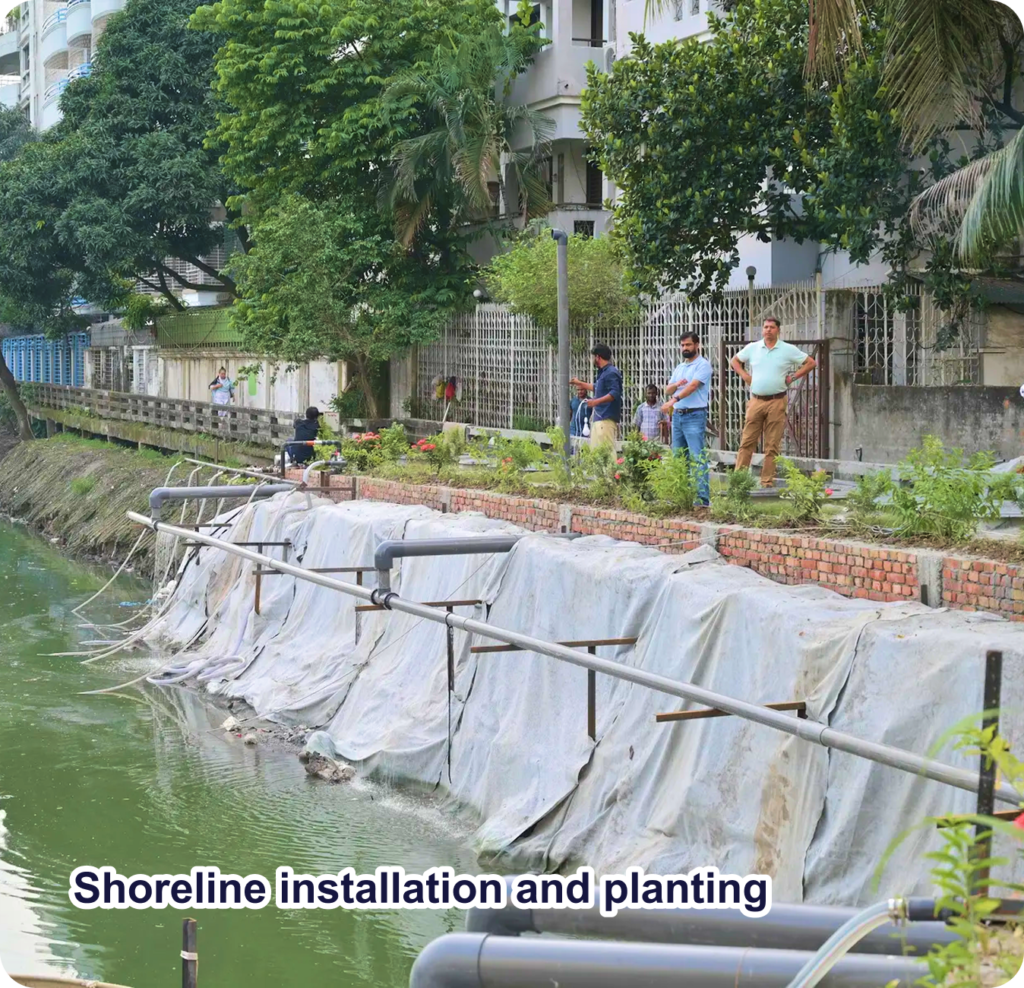
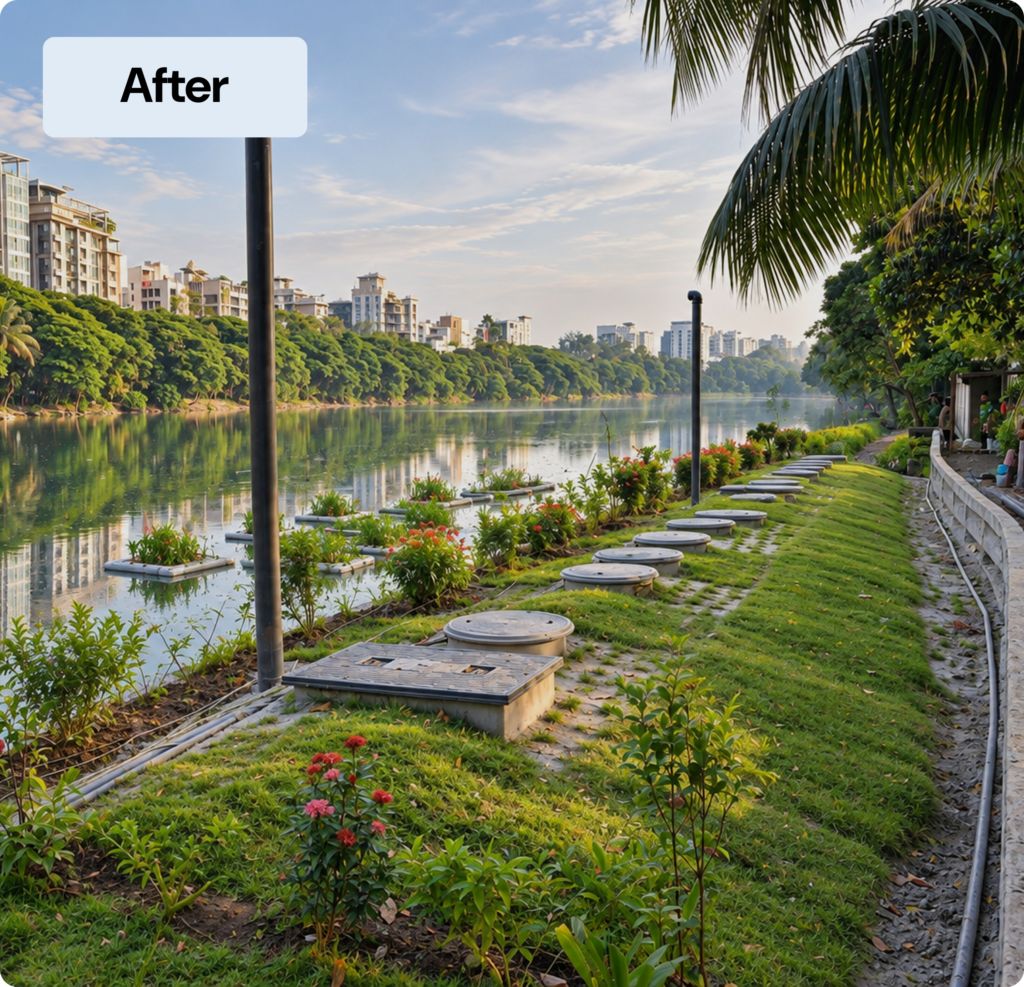
Project photographs show the in-lake installation, shoreline equipment and floating treatment elements at Kalachandpur.

Putting oxygen back into the water

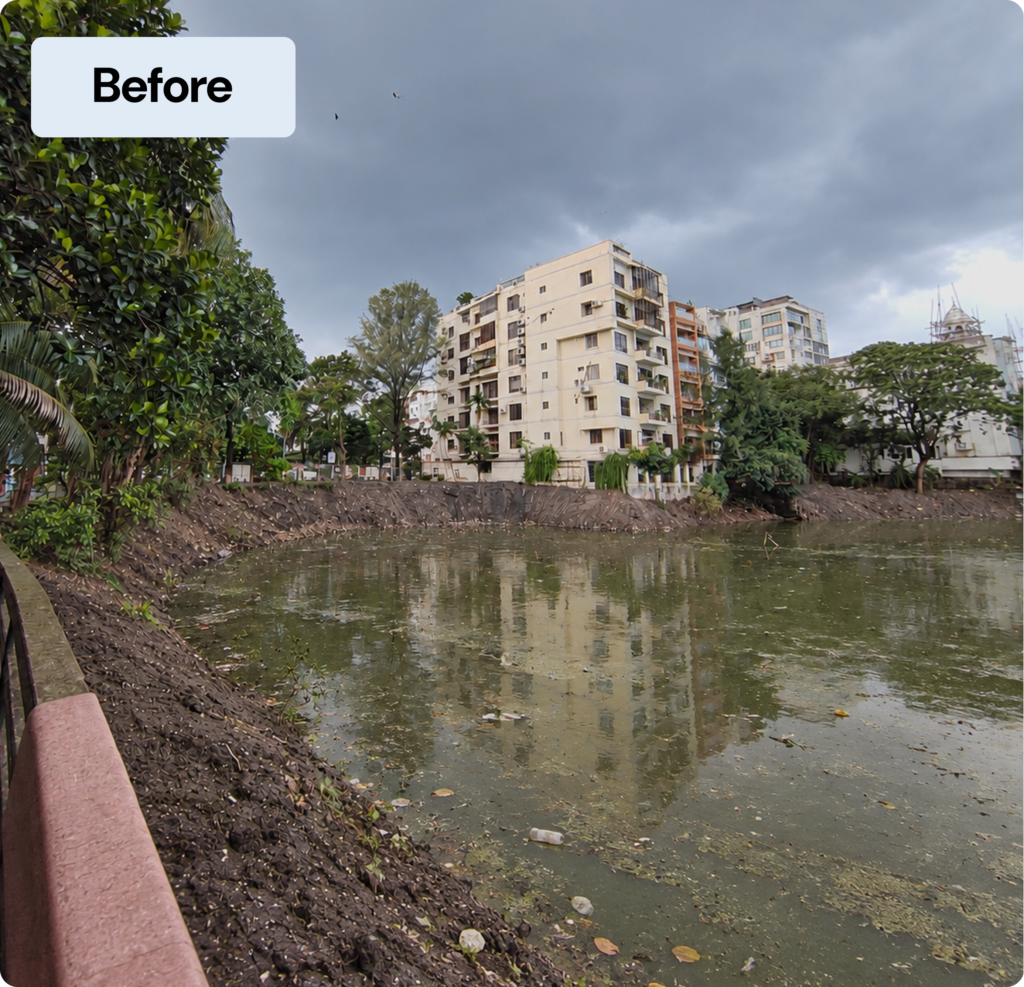
Visible change, supported by continuous treatment

Dark, turbid water · persistent odour · floating waste across the surface · low dissolved oxygen

Visibly clearer water · odour noticeably reduced · waste moved toward collection points · oxygen raised by aeration

Why this model suits urban waterbodies

The system fits locations where land is scarce, lake closure is impractical and both incoming pollution and existing water quality need attention.

01

Treats at the source

The sewage load is handled before it reaches open water.

02

No draining required

In-lake treatment works while the waterbody remains in use.

03

Compact footprint

No large land acquisition for heavy civil works.

04

Solar supported

Renewable power reduces dependence on grid electricity.

05

Visible to the public

The fountain and wetland show residents that the system is active.

06

Modular and replicable

The approach can be sized for other lakes and canals.

Kalachandpur Lake Restoration Pilot Project

A compact reference for engineering, procurement and public-sector review.

Location - Kalachandpur, Dhaka

Treatment capacity - 200 KLD Johkasou

In-lake treatment - BioBox + floating wetland + OxTube

Root zone depth - Approximately 1 ft

Power support - 6 kW floating solar

Scope - Design, supply, installation and operation

Frequently asked questions

What is Johkasou technology?

Johkasou is a Japanese decentralised wastewater treatment system. Instead of piping sewage across a city to a central treatment plant, a Johkasou unit treats it on the site where it is generated. That makes it suitable for locations where a trunk sewer network does not reach or where central treatment capacity is limited.

Does the lake have to be drained for this system to work?

No. Both the BioBox and the OxTube operate inside the lake while it holds water. The lake continues to function normally throughout installation and operation.

What is the treatment capacity of the Kalachandpur pilot?

The Johkasou unit is rated at 200 KLD. The in-lake units, the BioBox and the OxTube, work on the surrounding body of water rather than on a rated flow.

What does the floating wetland garden actually do?

Its roots hang about one foot into the water and create a large surface where microorganisms settle. Those microorganisms break down pollutants in the water moving past the root zone, so the garden works as a living filter as well as a visible improvement to the lake.

It draws lake water up through a tube, mixes natural air into the flow, and returns the water to the lake with a higher dissolved oxygen content. No chemicals are added.

Advisors provide industry expertise, strategic insights, and guidance to strengthen Unissol’s long-term vision and execution.

Does the system need a grid electricity connection?

A 6 kW floating solar array on the lake surface supports the three treatment processes and reduces the electricity drawn from the grid.

Can this approach be applied to other lakes and canals?

Yes. The combination of source treatment, in-lake treatment and floating solar is modular and can be sized to other waterbodies without draining them or acquiring land for civil works.

Discover Our Business Verticals

A unified network of diverse businesses working together to drive innovation, promote sustainability, and create meaningful, long-term impact across industries and communities.

Unissol Group

We are committed to delivering communities, and industries to thrive in a rapidly changing world.

Quick Links

Office

  • HouseNo: 15A, Road: 35, Gulshan-2, Dhaka1212, Bangladesh
  • +880 9644-203040
  • info@unissol.com

Business Verticals

Flagship Projects

© Copyright 2026. All rights reserved Unissol Group. Developed by (Creatif)

Mohammad Omar Faruk

Director

Got a Specific Question?

Talk to a specialist in your industry

Engr. Abul Hossain Khan Mamun

Director

Engr. Abul Hossain Khan Mamun, a seasoned civil engineer with over 32 years of experience, has significantly shaped Bangladesh’s construction landscape through his leadership and expertise in managing complex building projects. Starting his career at Borak Real Estate Ltd., he progressed from site engineer to project engineer, overseeing residential developments in Banani, Gulshan, and Baridhara, and later led landmark projects like the 27-storey Unique Acropolis and the prestigious Westin Dhaka as Project In-Charge. His roles as Deputy General Manager, Head of Construction, and Director of Construction saw him spearhead high-profile developments, including Hotel Sheraton Dhaka and Borak Mehnur.

Got a Specific Question?

Talk to a specialist in your industry

Major Khalid Mahmud, psc (Retd)

Director

With nearly 23 years of distinguished service in the Bangladesh Army, Mr Khalid has built extensive leadership experience across diverse operational, administrative and international roles. He has attended multiple advanced military professional courses and has represented Bangladesh abroad with excellence and integrity.


Mr Khalid brings a disciplined, results-driven and ethical approach to all professional responsibilities, making him a strong asset for any multifaceted business group.


Alongside his military career, Mr Khalid has pursued strong academic development in Business, Human Resource Management and Supply Chain Management. His combined expertise in strategic planning, logistics, operations management and organizational leadership enables him to add significant value to corporate environments.

Got a Specific Question?

Talk to a specialist in your industry

Ahmad Ullah

Director

Ahmad Ullah has been a well-known expert in color management and color processing systems in Bangladesh since 1994. At present, he is primarily involved in sustainability initiatives across both textile and non-textile sectors in Bangladesh.

Got a Specific Question?

Talk to a specialist in your industry

Jukka Hakola

Advisor

With over 30 years of professional experience in the international energy, water technology and industrial sectors, Mr Hakola has developed strong leadership expertise across strategic management, business development and global sales operations. Throughout his career, he has held several senior executive roles including COO, Vice President, Managing Director and Board Member in technology-driven organisations.


Mr Hakola has played an important role in transforming technical innovations into successful commercial products, building international sales networks and leading organisational development initiatives. His extensive experience in strategic planning, market analysis and operational leadership enables him to effectively support business growth in global markets.


With academic qualifications in both Engineering and Economics and a results-driven leadership approach, Mr Hakola brings valuable expertise in technology commercialisation, international business development and organisational management.

Got a Specific Question?

Talk to a specialist in your industry

Dr. Sven Salahuddin Hasse

Advisor

Dr. Sven Salahuddin Hasse is a Doctor of dental surgery graduated in Germany. After 20 years of serving in the health sector, he devoted himself to promote sustainable technologies in the textile industry. He has aquired extensive knowledge about heat recovery and air filtration. There’s a huge demand in the Bangladesh market from the environmental point of view. Surprisingly, the majority of factories are reluctant to use innovative, sustainable technology even though it would enhance their provit margin on the long run.

Got a Specific Question?

Talk to a specialist in your industry

Engr. Fazle Monayem

Advisor

Engr. M. Fazle Monayem, a Civil Engineering graduate from Rajshahi Engineering College (RUET) in 1990, has over three decades of experience in Bangladesh’s major infrastructure projects. He played key roles in the Jamuna and Padma Multipurpose Bridges, Dhaleswari Bridge, Dhaka MRT Line-06, and several national road development initiatives. He has also contributed to industrial projects with Square Pharmaceuticals, Meghna Group, and Abdul Monem Economic Zone, making a lasting impact on the country’s development sector.

Got a Specific Question?

Talk to a specialist in your industry

MD Ekram Ullah

Advisor

MD Ekram Ullah is a seasoned professional with extensive experience in sustainability-driven initiatives across both textile and non-textile sectors in Bangladesh. His work is focused on advancing responsible industrial practices that align environmental stewardship with long-term business performance.


With a strong emphasis on sustainable solutions, he is actively involved in projects related to environmental management, resource efficiency and infrastructure development. Through a strategic and results-oriented approach, MD Ekram Ullah continues to contribute to the adoption of practical, scalable and environmentally responsible systems that support Bangladesh’s sustainable industrial growth.

Got a Specific Question?

Talk to a specialist in your industry

Rui Owase

Advisor

Rui Owase is a wastewater treatment expert with over 20 years of experience in environmental solutions. As the Division Managing Director of Daiki Axis, he oversees operations across Bangladesh, Sri Lanka, Myanmar, and Indonesia, driving sustainable water management initiatives.


His vision aligns with Unissol Group to protect the environment and build a better future. He focuses on promoting clean water solutions and supporting eco-friendly development for long-term impact.

Got a Specific Question?

Talk to a specialist in your industry