
Bashundhara Group STP
Unissol Group Successfully installed Johkasou STP at Bashundhara Group Chairman’s Residence, Bashundhara Residential Area.
Project Information
- Project Name: Bashundhara Group Chairman’s Residence
- Category: Johkasou STP
- Capacity: 10 m³/day
- Location: Bashundhara Residential Area
- Client: Bashundhara Group
Details Of This Project
Domestic sewage treatment plant solutions by Unissol Group have been successfully implemented at the Bashundhara Group Chairman’s Residence, located in the Bashundhara Residential Area. This project features a Johkasou Sewage Treatment Plant (STP) with a capacity of 10 m³/day.
This project reflects our dedication to providing reliable and eco-friendly domestic sewage treatment systems tailored for high-end residential applications in Bangladesh.
Process Flow of the STP
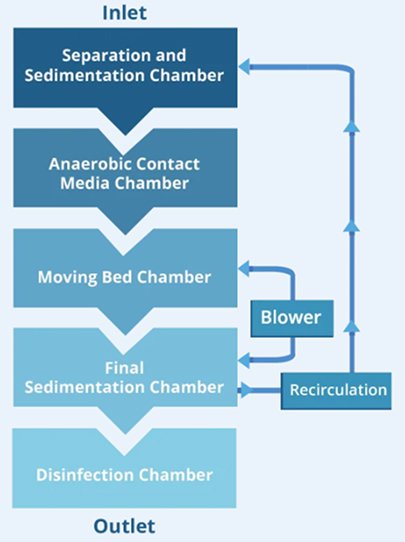
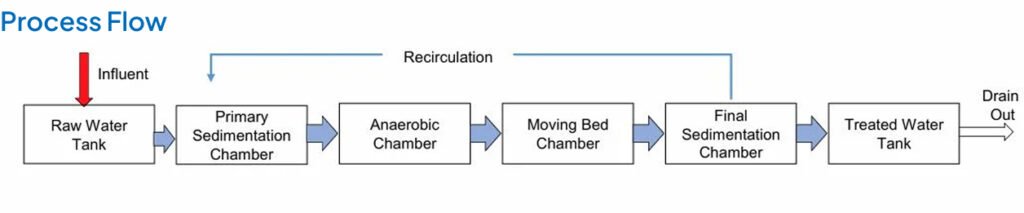
The Johkasou STP at the Bashundhara Group Chairman’s Residence follows a systematic treatment process:
- Separation Box: Separate solids in wastewater by gravity and prevent the agitation of the excess sludge in Sedimentation & Separation Chamber by influe
- Separation & Sedimentation Chamber: Separate solid debris or impurities from water in influent and circulated water and store these sediments in the chamber. Accumulated sludge should be desludged from the tank periodically at least once in 6–12 months.
- Anaerobic Chamber: It is filled with filter materials, which separate solids and keep anaerobic microorganisms to decompose organic matter.
- Moving Bed Chamber: It is filled with mesh cylindrical media, which retain aerobic microorganisms to decompose and remove organic matter from wastewater.
- Sedimentation Chamber: In order to obtain clear treated water, separate the excess sludge (suspended solids, SS) by gravity. The settled sludge is constantly returned to the sedimentation & separation chamber by the airlift pump.
- Disinfection Chamber: Disinfect the treated water to discharge to the river or other water bodies.
The entire system operates seamlessly, ensuring effective sewage treatment with minimal environmental impact.
Why Choose Unissol Group for STP Solutions?
As a subsidiary of Daiki Japan, we bring the expertise and innovation of Japanese wastewater treatment technology to Bangladesh. Our commitment to quality ensures that each Johkasou system meets the specific needs of the Bangladeshi environment and supports a sustainable future.
Expertise in implementing advanced Japanese sewage treatment technology.
Expertise in implementing advanced Japanese sewage treatment technology.
Expertise in implementing advanced Japanese sewage treatment technology.
The Johkasou STP at the Bashundhara Group Chairman’s Residence is a perfect example of sustainable wastewater management.
Why STP need for everywhere in Bangladesh?
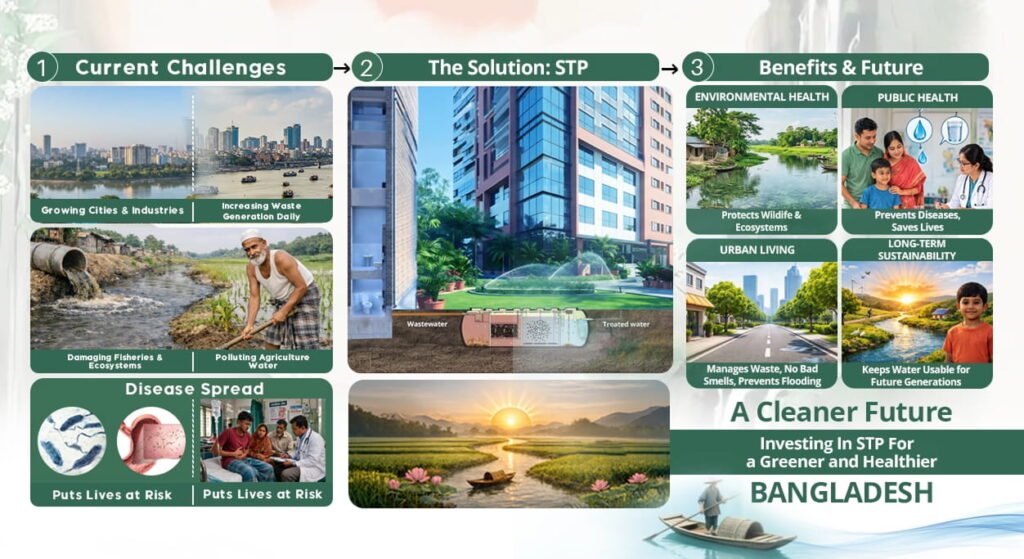
Sewage Treatment Plants (STP) are very important for Bangladesh to keep the environment clean and safe. With more people and industries growing every day, untreated sewage is causing serious problems. Dirty water from homes and factories often goes into rivers and ponds, making them unsafe for drinking, farming, or fishing. This pollution also harms fish and plants.
STP clean this dirty water, removing harmful things before it goes back into nature. Without proper treatment, sewage can spread diseases like cholera and diarrhea, putting many lives at risk. In crowded cities, STPs help manage waste, prevent bad smells, and stop water from flooding the streets. They also protect our natural surroundings and make sure water stays usable for future generations. As floods and rising sea levels become bigger challenges, STPs are needed to keep communities safe and healthy. Investing in STPs is an investment in a better, cleaner Bangladesh.
Bangladesh’s Urgent Need for Wastewater Treatment Solutions
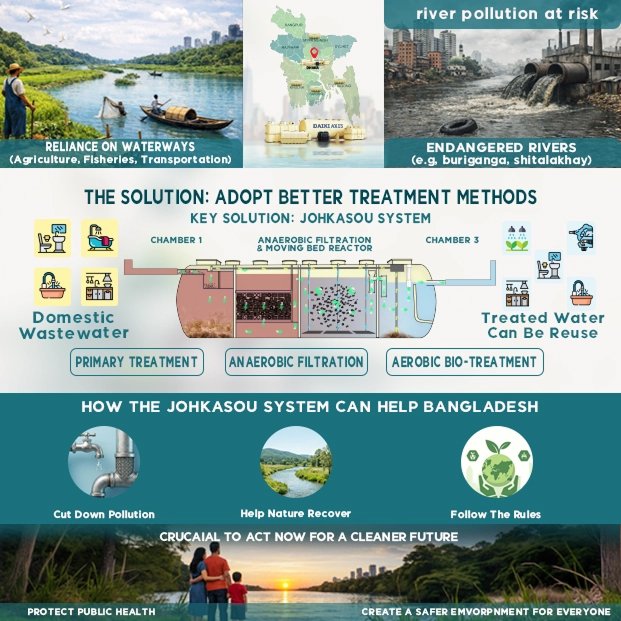
Bangladesh’s rivers, canals, and groundwater are under severe threat due to untreated wastewater discharge. Rapid urbanization and population growth have intensified sanitation challenges, especially in informal settlements.
Decentralized wastewater treatment solutions like Johkasou STP help by:
- Reducing environmental pollution
- Preventing the spread of waterborne diseases
- Protecting nearby rivers and groundwater sources
- Meeting environmental safety standards
Projects like the Bastuhara Slum STP highlight the importance of immediate action to ensure safe sanitation for all.
A Sustainable Future for Bangladesh
Investing in wastewater treatment isn’t just about cleaning up rivers—it’s about building a healthier, more sustainable future for Bangladesh. Taking action now can help preserve the country’s rivers, improve water quality, and protect the livelihoods of millions of people who rely on these waterways.
By choosing Unissol Group, you get modern, reliable, and eco-friendly solutions tailored to your needs. Contact us today to learn more about our projects and services.
Related Projects
Discover Our Business Verticals
A unified network of diverse businesses working together to drive innovation, promote sustainability, and create meaningful, long-term impact across industries and communities.